

By David Miguel on May 5, 2026
Quick links
Key takeaways
- Ecommerce marketing automation empowers you to generate more revenue by recovering abandoned carts, boosting average order value, and inspiring repeat purchases with timely, personalized campaigns. Begin with high impact flows like cart recovery, post-purchase, and simple upsells.
- Automation keeps your customers coming back, powering replenishment reminders, win-back campaigns, and loyalty communications. You build bonds when you pair automated milestones such as birthdays with relevant offers and useful content.
- Strong personalization relies on rock solid data and segmentation, not guesswork. Leverage customer behavior, purchase history, and AI-driven recommendations to send messages that feel relevant, not generic.
- Automation streamlines your ecommerce business by removing manual work like order confirmations, shipping updates, and simple support responses. You liberate your team to focus on strategy, creative testing, and higher-value customer interactions.
- Selecting the best automation platform comes down to vetting your goals, integrations, scalability, and support in advance. You avert expensive switching down the line when you align features and pricing with your present needs and growth expectations.
- The best ecommerce brands blend automation with authenticity and measure outcomes thoughtfully. You stay trustworthy and valuable over time when you include the human element, watch your key metrics, do regular A/B tests, and tweak workflows based on transparent data.
Marketing automation for ecommerce is a data-driven, workflow-based approach to personalizing customer journeys, driving more repeat purchases, and eliminating campaign grunt work in your store.
You link your store, email, and ads so every message matches actual behavior - browsing, cart activity, or purchase history.
To know where automation fits in your stack, you need clarity on triggers, clean data, and what “good” looks like. If you’re still deciding how CRM and automation should work together, start with this guide to CRM vs marketing automation.
The real value of ecommerce marketing automation
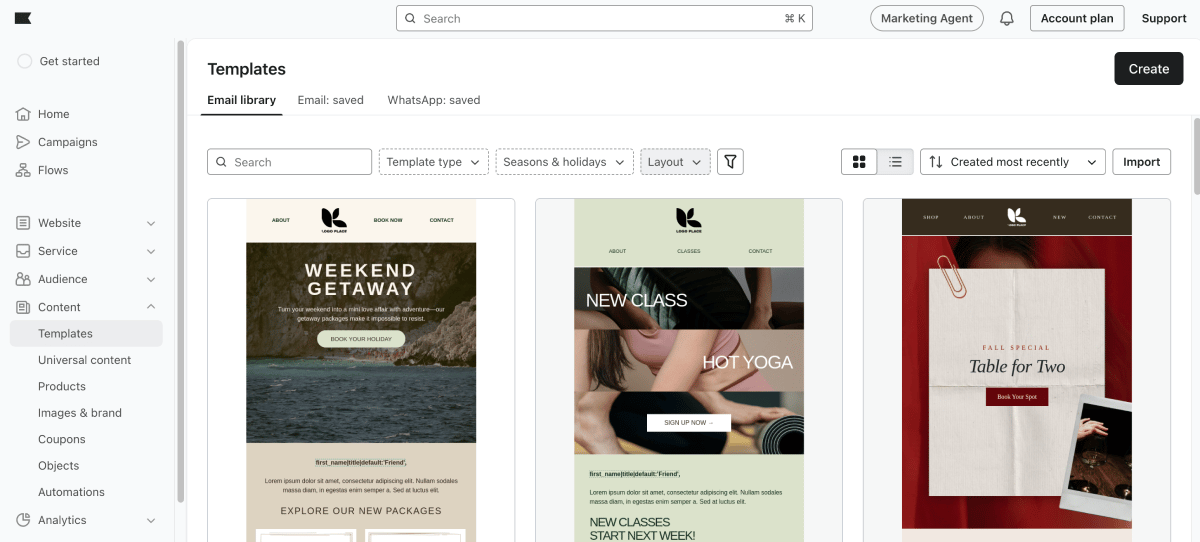
The real value of ecommerce marketing automation software isn’t flashy features; rather, it lies in the silent compounding of making processes more efficient, avoiding unnecessary expenses, and increasing revenue in an intentional, quantifiable manner. By employing marketing automation tools, you can take repetitive tasks off your team’s plate at scale, allowing them to focus on strategy, creativity, and higher-value analysis instead of sending the same emails repeatedly. If you need a broader shortlist first, compare these marketing automation platforms that make execution easier.
1. Grows revenue
You capture more revenue by leveraging ecommerce marketing automation software to automate what already works. Abandoned cart and browse abandonment flows can reclaim about 8 to 12 percent of abandoned carts, consistent with industry benchmarks. A clear, visual journey builder makes it easier to see each step: first reminder after 1 hour, second after 24 hours, then a last chance message. When this rests on top of accurate order and session data, you can test timing, subject lines, and incentives with confidence.
The true magic of email marketing automation lies in its ability to enhance customer experiences. Imagine a customer who purchases running shoes. Your platform should automatically pull in matching products like socks, insoles, and care kits via dynamic blocks, not hard-coded lists. You want to see precisely which recommendation logic works best in a report that pits “bought together,” “viewed together,” and “frequently reordered” rules against one another.
Post‑purchase flows then nudge a one‑time sale into loyalty. That’s where the true value of ecommerce marketing automation comes into play. With behavior-based discounts presented only to customers who stall or low-engage, you sidestep blanket promotions and defend margin.
2. Increases retention
Retention is where automation stealthily redefines your revenue trajectory. For consumables or repeat-use products, replenishment reminders are an obvious win: send a reminder 25 to 30 days after shipment for a 30-day supply, but only if the customer has not already reordered. A calendar-based view here prevents you from sending overlapping messages.
Win-back flows aim at customers who’ve gone silent. You determine ‘inactivity’ by real statistics, such as no purchase in 90 days and no visit in 60 days. Then you test sequences: a soft check-in, social proof, and only later a targeted offer. If a second purchase can double lifetime value, then these flows aren’t “nice to have” they’re core revenue levers.
Loyalty programs gain from automation. Points balances, tier upgrades and exclusive drops should all trigger messages automatically based on events from your ecommerce and loyalty systems. Layer in easy milestone moments—birthdays, first-purchase anniversaries—to provide human touches without much manual effort.
3. Enhances personalization
Personalization in ecommerce marketing automation begins with segmentation that reflects customer behaviors. You segment customers based on their purchase behavior, navigation trails, and engagement metrics such as opens, clicks, and on-site events. The marketing automation platform needs to display these segments in an intuitive, visual manner, allowing you to easily observe the transition of individuals from “first-time buyer” to “repeat buyer” as time progresses.
Dynamic product recommendations transform segments into personalized experiences. In email and push, you pull in products based on rules or AI models: “similar items,” “recently viewed,” “frequently bought next.” That’s the trick: openness. You need reports telling you which recommendation engine generated more clicks and conversions, not a black box.
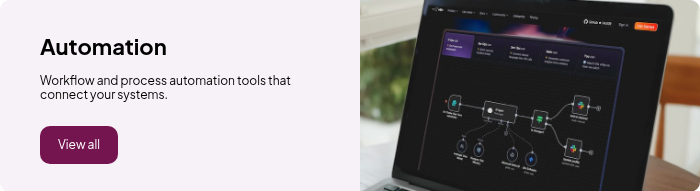
Lifecycle sequences adapt to where someone is in their journey: new subscriber, first-time purchaser, high-value VIP, or lapsed customer. Each phase receives its own journey, triggered automatically by events and thresholds. Modern email automation tools layer in AI-driven features such as send-time optimization, subject line suggestions, and next-best-offer logic, ultimately providing insights into decision-making processes and allowing for necessary tweaks.
4. Improves efficiency
Efficiency gains are where email marketing automation pays for itself. Order confirmations, shipping updates, and inventory alerts should never be manual. When these are automated, error rates drop, and customers receive timely, relevant communication they anticipate at every touchpoint. By implementing ecommerce marketing automation software, businesses can streamline these processes effectively.
Workflow automation can further orchestrate tasks across marketing, sales, and support. For instance, a platinum customer initiating a return could open a support ticket, generate a ‘we’ve got you covered’ proactive email, and raise a flag in your CRM. One trigger leads to several automated tasks, all within a single workflow view, enhancing the overall marketing automation strategy. For more advanced workflow logic, this n8n workflow automation guide shows how connected systems can pass data and actions between tools.
Automating operational tasks slashes copy‑paste grunt work and reporting tedium. Open rate, click‑through, and conversion reports are generated automatically, not reconstructed every week. Teams can run campaigns for orders of magnitude more leads and customers with the same tools and headcount that previously managed a much smaller base because the system does the repetition and scale.
5. Gathers data
Powerful automation requires powerful data, especially when using the right marketing automation tool. Your platform should combine ecommerce orders, web analytics, email engagement, and support data into a single trustworthy perspective. Once those data streams are hooked up neatly, you can visualize a certain customer’s journey from initial ad click to third purchase, eliminating the need for spreadsheet reconciliation. That same logic applies to connecting CRM and marketing automation when you want sales, service, and ecommerce data to reinforce each other.
By leveraging ecommerce marketing automation software, you collect behavioral insights automatically: which categories convert best, which email campaigns drive first purchases, and which marketing automation flows generate the most recovered revenue. Most ecommerce brands observe that automation contributes 8 to 12 percent to revenue after these flows are optimized. That’s not a one-time spike; that’s consistent, cumulative lift.
Reports update in real time, allowing you to analyze workflow performance and refine your marketing automation strategy. If a win-back sequence flops, you can try a different offer or timing and monitor the metrics. Over time, your automation map becomes a living, visual snapshot of how your brand communicates, acquires trust, and increases customer value.
Essential automation capabilities
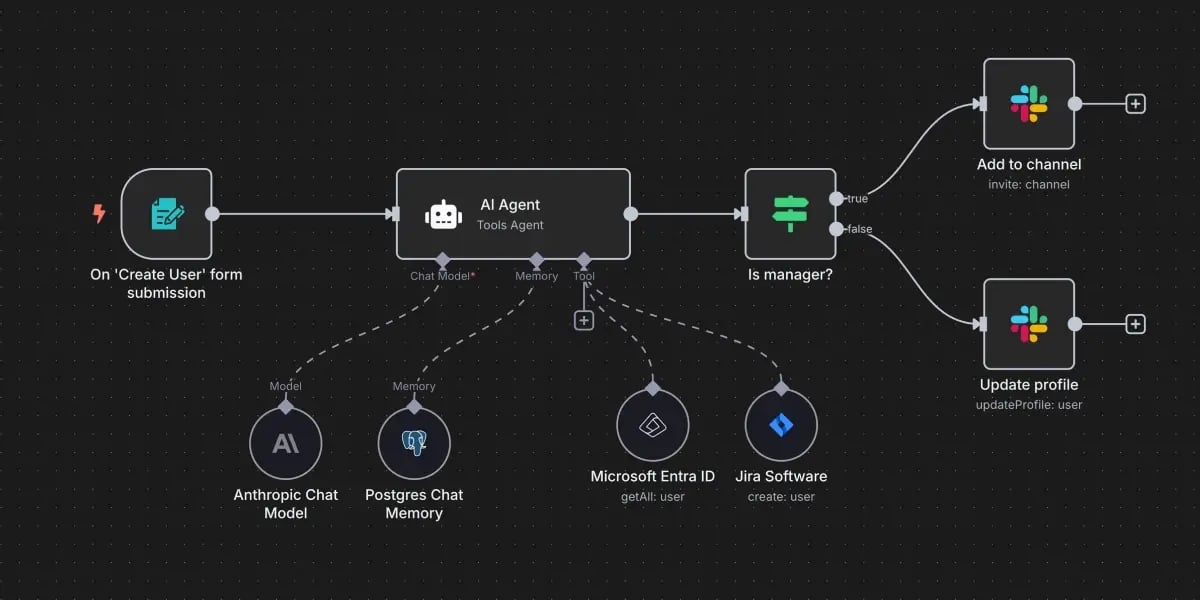
You get the most out of marketing automation software when it maps cleanly to your ecommerce funnel, respects your data structure, and integrates with the right marketing automation tool. These core capabilities dictate how dependably you can personalize emails at scale, gauge impact, and prevent tangled discordant reports.
Customer journeys
Customer journeys is where you transform your funnel into automated workflows. You craft sequences for new subscriber onboarding, nurturing browsers who aren’t ready to buy, and post-purchase engagement that grows loyalty rather than one-off orders.
Imagine your workflows diverging from the point someone initially signs up or completes a form, then evolving as they open messages, view items, or abandon.
Trigger-based automation is vital here. You want journeys that react to specific actions and milestones, such as first purchase, second order within 30 days, high-value order above a certain amount, viewing a pricing page, or hitting a refund threshold.
A good platform extracts these events from your ecommerce platform, CRM, and analytics tools in real time, so every touchpoint mirrors what the customer actually did, not what you thought they had done last week.
Cart abandonment flows are among the most obvious. A minimum configuration sends one reminder email. A stronger, data-driven approach builds a multi-step journey: reminder within one hour, a second message with social proof, optional SMS for opted-in users, and a final message with a limited incentive.
Make each step visual in the interface so you see conditions, waits, and branches clearly instead of having to dig through cryptic rules.
Data segmentation
Segmentation is what transforms generic customer data into actionable groups. At the very least, you want to be able to segment by demographics, device, purchase frequency, order value and engagement signals like opens and clicks.
This allows you to treat a weekly repeat buyer very differently from a nobody who hasn’t opened an email in 90 days.
Dynamic segments become more important as you scale. Instead of maintaining static lists that you regularly update manually, you set rules such as 'bought 3 or more times in the last 90 days,' 'browsed but not purchased,' and 'added to cart with no checkout within 24 hours.'
The platform adjusts membership as data changes. This demands close integration with your ecommerce engine and any external CRM or CDP, ensuring there is one consistent and dependable definition of each segment.
Segmentation should feed directly into automation. You could mail personalized suggestions to high-value customers who purchased in the last 30 days, educational content to new subscribers who haven’t bought yet, and win-back incentives to churn-risk customers with decreasing engagement.
The more targeted the segment, the more targeted the message, and the less clutter you contribute to overloaded inboxes.
Best platforms allow you to trigger workflows from the segmented lists themselves. For instance, when a customer enters the “VIP” segment, you initiate a loyalty journey automatically.
When they fall into a “dormant” segment, you trigger a re‑engagement series. That connection between segments and triggers is what transforms segmentation into an ongoing, scalable system and not a reporting activity.
Omnichannel messaging
Omnichannel automation orchestrates your email, SMS, and push notifications — and even paid social — so customers receive a single cohesive journey rather than a collection of fragmented blasts.
Your tools should sync contact preferences and consent across channels, so you don’t send SMS to someone who only opted in to email or retarget people that already converted again and again.
Consistency is a function of automation rules, not manual spot checking. You specify how a promotion appears in email, SMS, and social, then employ workflows to make sure customers get the most relevant version according to channel preference and recent behavior.
For instance, if a user clicks an email offer, you suppress redundant SMS reminders and pause related ads for a few days.
Timing is where a lot of teams get tripped up without automation. Your platform should assist you in coordinating send times by timezone, recent activity, and channel fatigue.
A simple rule might be: “never send more than one promotional message across any channel within a 24-hour window,” enforced automatically. That keeps frequency in check as you scale campaigns and teams.
To test if omnichannel is working, you need unified tracking across channels. That means capturing events such as opens, clicks, site visits, cart updates, and purchases from email, SMS, web, and social into the same analytics layer.
When this data is clearly visualized in funnel and cohort views, you can see where people switch channels, where they stall, and which combinations of touchpoints actually move revenue, not just vanity metrics.
AI integration
AI capabilities should sit on top of clean, integrated data, not substitute it. Recommendation engines are most effective when they have access to product metadata, browsing history, previous purchases and returns.
With that, you can surface “frequently bought together” bundles, similar products, or category-based suggestions that seem organic rather than arbitrary across email, on-site widgets, and even SMS for high-intent users.
More than just recommendations, machine learning helps you forecast churn and customer worth. The models can flag customers whose engagement is waning or whose behavior resembles past churners and then automatically enroll them in retention workflows, such as early access to new drops, personalized discounts, or content that reinforces product value.
The trick is tying those models directly into your automation triggers and not isolating them in separate dashboards.
AI chatbots and virtual assistants bring automation into support. When they integrate with your order system and knowledge base, they can respond to standard inquiries like shipping status, return policy, and size advice immediately.
They can then initiate follow-up messages or surveys depending on the conversation’s result. This cuts support overhead and feeds more behavioral data back into your marketing mind.
AI comes in handy in analytics at scale. An automation platform that uses AI to identify anomalies, surface underperforming segments, or recommend timing and subject line tests saves you from sifting through countless reports.
You still set the targets—higher retention, better open rates, more lifetime value—and confirm outcomes, but AI handles the grunt work of mining vast datasets and recommending what to do next.
How to select the right ecommerce automation tools
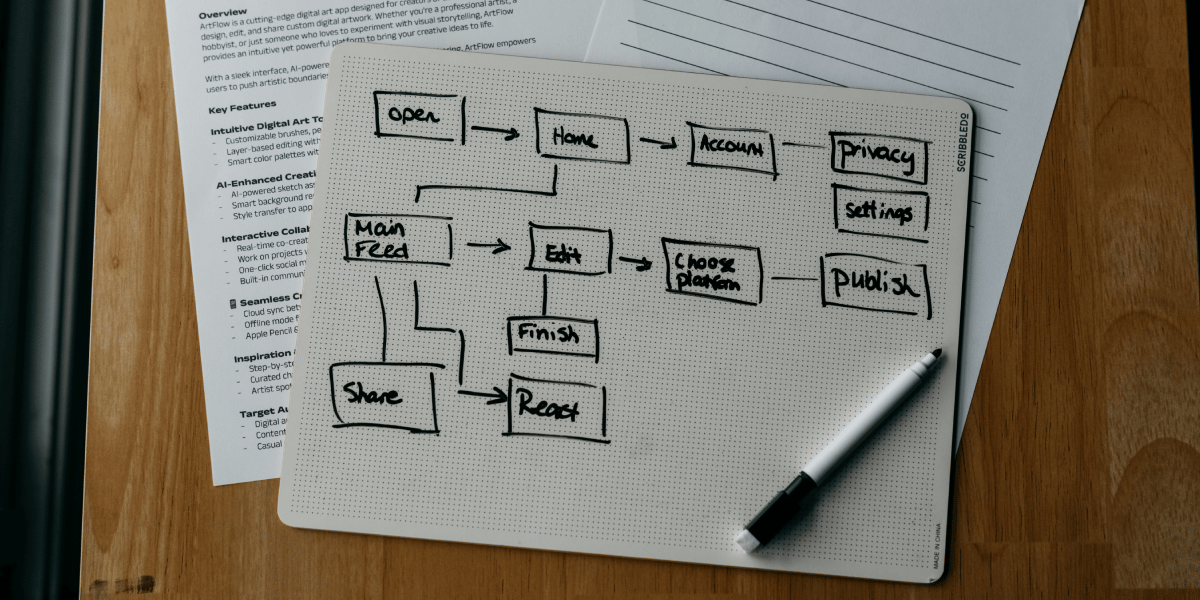
You need automation that backs transparent decisions, not added noise. Select tools that present data in a readable, digestible way, easily visualize your performance, and integrate cleanly with the stack you already use. If you’re comparing options, use this framework on how to choose a marketing automation platform before you get pulled into feature-led demos.
To define what “right” means for your store, start by mapping business needs and must-have features:
- Revenue-critical journeys (abandoned cart, browse recovery, win-back)
- Multi-channel support (email, SMS, push, chat, WhatsApp)
- Data quality and integrations (ecommerce, CRM, analytics, ad platforms)
- CDP-like profiles with unified browsing and purchase history.
- Reporting depth (cohort views, funnel reports, attribution, LTV tracking)
- Ease of building and testing automated flows
- Scalability (orders, catalog size, traffic, send volume)
- Support, onboarding, and documentation quality
- Clear pricing tiers that match your stage and roadmap
Assess needs
Define specific automation goals:
- Grow email and SMS subscribers.
- Recover abandoned carts at a higher rate.
- Run a high-converting welcome series.
- Trigger post-purchase cross-sell and review requests.
- Win back lapsed customers.
- Sync inventory and pricing data across channels.
- Increase customer engagement through click-through and repeat purchase.
Connect each goal to a metric and time frame, for example, ‘lift abandoned cart recovery revenue 15% in 90 days.’ This prevents you from pursuing vanity features that aren’t tied to revenue or retention.
Then filter tools by your ecommerce model. A brand that sells 50 high-end SKUs requires a different automation depth than a marketplace with 50K products. Subscription, digital, and B2B stores all have their own unique triggers and journeys.
Multi-channel automation matters here. If your audience converts better on WhatsApp or SMS than email, you want journeys that can branch by channel preference and send consistent messaging across all of them.
Check integrations
Check for native integration with your ecommerce engine (Shopify, WooCommerce, Magento, BigCommerce) and payment stack first, because this governs how good your order, refund, and product data will be. Bad integrations often manifest themselves later as incongruent revenue figures between dashboards.
You want tight integrations with CRM, advertising, and analytics tools so you can centralize behavior data and view one customer narrative instead of five disparate perspectives. A strong automation platform behaves like a light CDP.
It pulls in browsing history, purchase history, and engagement data to build unified profiles you can segment and personalize against. Check for pre-built connectors to marketplaces and 3PLs if you sell on Amazon or have outsourced fulfillment.
This way, you can trigger messages based on real shipping status, inventory, or marketplace events without custom scripts.
Consider scale
See if pricing tiers and freemium plans hold once your contact list, sessions, and monthly sends grow three to five times. A lot of teams overlook this and are left facing sudden cost jumps or feature walls just as campaigns begin to perform. That’s why it’s worth checking the hidden costs of marketing automation platforms before choosing based on the monthly licence fee alone.
For larger catalogs and higher order volumes, ensure that workflows, product feeds, and segmentation continue to run quickly and don’t time out. You want sophisticated features such as dynamic product recommendations, predictive segments, and multi-step branching for when you graduate beyond abandoned cart and welcome series into more complex journeys.
Evaluate support
Robust support safeguards your time and your data. You want responsive channels—chat, email, sometimes phone—plus in-depth documentation, tutorials, and templates for common flows like abandoned cart, welcome series, and replenishment reminders.
For complicated stacks, inquire about implementation support or a success manager who understands ecommerce data, not just software configuration. Before launching any journey, test thoroughly: preview logic, send internal test messages across all channels, and confirm that the right contacts get the right content at the right time.
Trustworthy providers support this with consistent updates, transparent change logs, and a steady roadmap.
Balancing automation and authenticity

Marketing automation tools should augment your team, not supplant your judgment. With the right marketing automation tool, you get the best of both worlds when workflows automate the repetitive work in minutes instead of weeks while you remain in the driver’s seat of customer experience.
Human touchpoints
Human interaction matters most at high-intent and high-friction moments: pre‑purchase questions, checkout issues, and post‑purchase support. Automate to surface those moments, then hand them off to humans.
Organize live chat or call availability based on your data, not speculation. If you notice support tickets spike during the final two hours of a promotion, manage live chat then and use a simple banner or chatbot to offer real-time assistance when cart value is elevated. With an average cart abandonment rate of 70.19 percent, even a small lift here counts.
Tackle hard questions with automation. Apply rules like “order value greater than X,” “second contact within 24 hours,” or “keyword equals refund” to route tickets to humans, not canned replies. Tools with transparent dashboards, powerful visualization and robust data integration make these routing rules easier to design and debug.
For more casual conversations, maintain automation personal while using real names and signatures and personalized content based on behavior, such as viewed size guide or clicked shipping info. Abandoned cart emails are a good example. A simple two or three email sequence that shows the exact product, answers common objections, and offers support can recover meaningful revenue at the bottom of the funnel.
Feedback loops
Automated feedback requests keep you connected to actual customers without manual chasing. Post-purchase surveys, NPS pulses, and even simple “How was your experience?” flows can all run automatically, providing a rich flow of qualitative insight.
Connect these answers back into your workflows. If customers frequently mention “delivery info unclear,” launch a pre-purchase automation that calls out shipping info on product pages and in browse-abandon emails. When more than 80% of customers say they are likely to buy from sites that personalize, these small tweaks add up.
Reviews are at the core of authenticity. With 98% of shoppers reading reviews before buying, automated review requests 7 to 10 days after delivery are low-effort and high-trust. Route low-score submissions to humans for immediate outreach and place high-score ones in social proof blocks, experimenting with presentation via transparent visual reporting.
Supplement your automation stats with independent research. Internal data reveals what’s occurring on your site. External benchmarks demonstrate whether your performance, timing, and message strategy are truly competitive. This blend is the crucial action in making automation remain efficient and human.
Brand voice
Brand voice is where email marketing automation either sounds helpful or comes off as spam. Mass-market blasts to your entire database, whether through banners or emails, do not work anymore because they disregard context. Consumers are looking for timely, pertinent insights when they need them, not when your calendar reads 'send campaign.'
Start by creating a small library of marketing automation tools that sound like you on a good day: clear, concise, respectful. Maintain a common style guide for tone, reading level, and formatting so automated and human-written messages sound consistent across channels.
Then layer in a little personalization gingerly. Employ dynamic content for the easy stuff, such as name, product, and location, but maintain your core copy straightforward and sincere. Remember that 48% of customers say they will spend more when the experience feels tailored, so focus personalization on solving real problems, such as fit, shipping expectations, or product use cases.
Lastly, consider automation as your something to fight for. Designate owners to review ecommerce marketing automation software flows monthly, benchmark against performance dashboards, and make sure messages still feel like your brand. Automation makes us productive, as 43% of folks embrace it for this benefit, but unchecked, it floats toward generic and impersonal.
Do’s and Don’ts for balancing automation and authenticity
- Do use automation to remove friction and repetitive work.
- Do link your tools so data streams seamlessly between platforms.
- DO use vivid visual reporting to know where automation aids or impairs.
- Do segment based on behavior and lifecycle stage.
- Do test timing, channel, and message with real data.
- Don’t blast the same message to your full list.
- Don’t slip in negative or low-rating reviews in your flows.
- Don’t let chatbots handle complex or emotional issues alone.
- Don’t overload customers with too many triggered messages.
- Don’t rely only on internal metrics without outside benchmarks.
Track each essential flow — welcome, browse, cart, post-purchase — with easy dashboards that display send volume, engagement, and revenue influence. Utilizing email marketing automation can enhance your ecommerce email marketing strategy, ensuring that when performance drops or complaints increase, you can effectively tweak the message or delete a step.
Measuring your automation success
You measure automation success by tying clear metrics to buyer journeys and revenue, then verifying that your systems really do make life better for customers and for your team. Picture your stack as one connected data spine: ecommerce marketing automation software, CRM, analytics, and marketing automation tools all integrated through stable APIs so reporting is consistent and trustworthy.
Key metrics
- Traffic-to-subscriber conversion rate
- Welcome flow conversion rate
- Cart abandonment recovery rate
- Repeat purchase rate
- Customer lifetime value (CLV)
- Average order value (AOV)
- Automation-triggered revenue share
- Workflow error / drop-off rate
|
Metric |
What it shows |
Example automation link |
|---|---|---|
|
Cart abandonment recovery rate |
Ability to win back potential lost orders |
3‑email cart series with dynamic product blocks |
|
Incremental automation revenue |
Extra revenue driven only by automated touches |
Holdout groups vs. fully automated cohorts |
|
Repeat purchase rate |
Strength of post‑purchase and win‑back flows |
Replenishment reminders at 30 / 60 days |
|
AOV from automated sessions |
How automation influences basket size |
Cross‑sell / upsell product recommendations |
|
CLV by journey stage |
Long‑term value of different automation paths |
Loyalty nurture vs. discount-heavy sequences |
You want to distinguish organic sales from automation-affected sales. For instance, test a cohort that receives a browse-abandon sequence against a similar cohort that doesn’t and determine incremental revenue and margin.
Track workflow runs, email/SMS sends, and automation triggered orders weekly. Conduct a deeper review every 2 to 4 weeks for quick optimizations and a more strategic review every 6 months, aligned to your average buyer journey length.
Customer experience measures are just as important as revenue. Track time to first response, complaint rates post automated sends, and unsubscribe or opt-out rates by workflow. If cart recovery revenue increases but complaints skyrocket, that’s not success.
Attribution models
Attribution shows which automations are truly driving revenue, not just opens. You give credit at the workflow level so you can report that, for example, the post‑purchase cross‑sell flow generated 18 percent of repeat revenue last quarter.
Rely on your automation platform’s native attribution views, but sanity-check against your analytics tool to catch tracking gaps or double-counting.
Visualize results with simple charts: revenue by workflow, attributed revenue by model, and CLV by automation path. You want dashboards that make stakeholders see in seconds which journeys deserve more budget and which should be redesigned or paused.
A/B testing
A/B Testing Prevents Your Automations From Going Stale. Start with high-impact elements in automated email and message streams: subject lines for welcome and cart flows, send times by timezone, and offer framing (percentage vs. Absolute discount).
For instance, experiment with ‘Complete your order’ vs. ‘Your items are still in your cart’ across your leading markets and track not just open rate but actual saved orders and average order value.
Then work upstream to triggers and paths. You could contrast a cart-abandon trigger after 30 minutes versus 4 hours, or add a branch that suppresses messages for customers with very high CLV who like fewer emails.
Personalized product blocks versus generic best-seller grids — in many stores, personalized recommendations drive lifts in both conversion and AOV, but check your own data.
Record each test with hypothesis, variant configuration, audience, metrics, and final conclusion. Deploy winners across all applicable workflows, then plan a follow-up review in 2 to 4 weeks to ensure performance persists at scale.
In six months, this cycle of testing, documenting, and standardizing provides you a measurable increase in revenue, retention, and experience, not just more automation.
Future of ecommerce automation
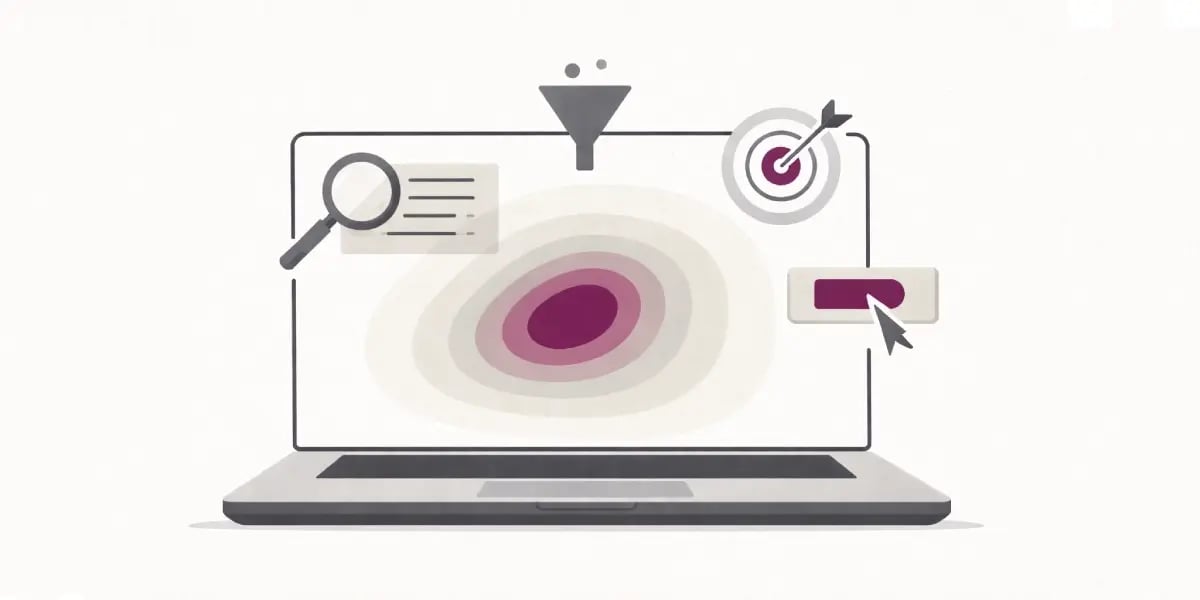
Ecommerce automation is evolving from basic email campaigns to sophisticated systems that react to actual behavior in real time. The right marketing automation tool will give you an edge by allowing you to transparently observe customer behaviors, reliably tie data together, and quickly adjust your ecommerce marketing automation strategy as patterns shift.
Expect increased adoption of AI-driven automation for smarter targeting and personalization
AI will lurk under most of your automation, not as a glossy add-on but as a way to decide who enters a flow, when, and with what offer. Instead of one generic abandoned cart flow, you will see:
- Different messages for first‑time visitors vs loyal buyers
- Dynamic discounts only for truly at‑risk segments
- Product recommendations based on full browsing and purchase history
Industry data already indicates that abandoned-cart automation recovers around 8 to 12 percent of carts. AI automates and optimizes this by tuning send times, subject lines, and incentives per segment, not per campaign.
You should expect your tools to:
- Explain why a segment was chosen
- Show clear lift vs a control group
- Visualize how customers move between AI‑driven paths
If the AI works like a black box, you won’t be able to trust the numbers or defend decisions internally.
Prepare for deeper ecommerce platform integration with advanced workflow builders
The platforms that win are going to plug cleanly into your ecommerce stack and surface clear visual flows. Picture your workflow builder as a map of your store:
- Triggered by events such as "added to cart," "placed first order," and "no purchase in 90 days."
- Branching on rules like average order value, geography or product category
- Pulling correct inventory, pricing, discounts, and other details from your primary platform.
Because customer behavior changes daily, the builder has to be simple to adjust without a developer. If your ecommerce stack needs custom triggers between apps, workflow automation with n8n can help you understand how those automated handoffs work in practice. For example, you might:
- Pause a discount step when stock runs low
- Add a “no-promo” branch for high-margin staples
- Shut down low-ROI flows such as complicated browse abandonment that seldom make the hard work worthwhile.
Your goal is visual clarity: see every path, spot gaps, and clean up dead-end automations.
Anticipate more sophisticated automation systems supporting omnichannel commerce
Automation will migrate beyond email and retargeting ads into true omnichannel orchestration. You will coordinate:
- Email for detailed storytelling
- SMS for time‑sensitive nudges (shipping, low stock, renewal)
- On‑site banners tailored to current lifecycle stage
- Paid media sync (for example, excluding active VIPs from discount-heavy campaigns)
The true value appears in retention. Data-backed workflows will include:
- Second-purchase nurtures, because once someone buys twice, they have approximately a 45 percent chance of purchasing again.
- At-risk VIP journeys safeguard tens of thousands in LTV by detecting early warning signs such as decreasing order sizes or extended purchase intervals.
- Replenishment reminders are grounded in normal use windows, not generic 30-day timers.
Low‑impact flows, such as long browse abandonment sequences, belong near the bottom of your roadmap. Prioritize flows that drive revenue and retention.
Invest in scalable automation solutions to stay competitive in the evolving ecommerce landscape
Scalability will be more important than feature checklists. As your database explodes and segments splinter, you need automation that remains quick, dependable, and understandable.
Prioritize a roadmap built around impact vs effort:
- Start with high-impact, low-effort flows: abandoned cart, post-purchase cross-sell, second-purchase push.
- Then layer in targeted reactivation flows seeking to reclaim 10 to 15 percent of churned customers, with distinct messages for discount-seeking purchasers, high-margin VIPs, and long-lapse window shoppers.
- Push more experiment ideas later once reporting shows that the basics are working.
Future advantage is not more workflows. It is having clean data integration, strong visualization, and flexible journeys that shield retention, combat churn, and keep you transparent on where your euros or dollars really return. If you’re still narrowing the field, these marketing automation platform options give you a useful starting point.
Conclusion
Marketing automation for ecommerce pays off only when it is in service of clear goals, clean data, and a defined customer experience.
You have everything from simple email flows to complex multi-channel journeys at your disposal. The real difference is how you connect those capabilities to your product, your margins, and your customers' behavior.
As you move forward, keep tightening three things:
- The quality of your data
- The clarity of your triggers and journeys
- The way you measure impact on revenue and retention
When you think of automation as a continuous test and learn process, you keep your brand human, your operation lean, and your growth more predictable.
Frequently asked questions
What is ecommerce marketing automation and why does it matter for your store?
Ecommerce marketing automation leverages software to execute repetitive marketing tasks for you, such as emails, product recommendations, and cart reminders.
It saves you time, increases conversions, and sends more relevant messages to customers at scale.
Which marketing tasks should you automate first in your ecommerce business?
Start with high-impact, low-effort workflows:
- Welcome email series
- Abandoned cart recovery
- Post-purchase follow-ups
- Back-in-stock and price drop alerts
These automations rapidly grow revenue and customer lifetime value with almost no setup.
How do you choose the right ecommerce marketing automation tool?
Focus on:
- Native integration with your ecommerce platform
- Strong email, SMS, and segmentation features
- Clear reporting and attribution
- Easy-to-use workflows
- Reliable support and documentation
Choose a tool that suits your budget and scales with your store.
How can you keep automated marketing messages from feeling robotic?
Use personal, human language.
Insert your brand voice, the customer’s name, and real behavior, such as products viewed or purchased.
Throttle message frequency and never forget to provide an effortless preference center or unsubscribe option.
What metrics should you track to measure ecommerce automation success?
Track:
- Revenue from automation flows
- Conversion rate per workflow
- Open and click-through rates
- Unsubscribe and spam complaint rates
- Customer lifetime value
Review these regularly and optimize underperforming flows.
Will automation replace your ecommerce marketing team?
No. Automation takes care of the drudgery. You and your team still plan strategy, craft offers, write copy and polish your CX.
Automation is a force multiplier, not a substitute. It’s getting you more done, more quickly, with better data.
What trends will shape the future of ecommerce marketing automation?
Expect more:
- AI-driven product recommendations
- Real-time personalization across channels
- Deeper first-party data use
- Smarter predictive analytics for churn and LTV
Stores that mix automation with transparent brand values and respect for customers will prevail.
CRM vs marketing automation - what’s the difference? (and which do you need?)
CRM vs marketing automation: what’s the difference, and which one does your business actually need? Learn how they compare and when to use each.
Crisp vs HelpCrunch vs LiveChat: Which live chat tool wins in 2026?
Read about the key differences in Crisp vs HelpCrunch vs LiveChat tools to find the best AI software for your business needs.

Mailchimp vs. Klaviyo: which one is better for your business?
The key differences in our Mailchimp vs. Klaviyo comparison to find the perfect email marketing platform for your business.