

By David Miguel on Feb 7, 2026
Quick links
Key takeaways
- You can utilize digital marketing platforms as a focal point that links your content, campaigns, advertisements, CRM, and analytics so you operate from a single source rather than managing multiple tools. This single view helps you create a cohesive brand presence and make quicker, data-driven decisions.
- You accelerate impact when you match platforms to your full customer journey from content discovery to lead nurturing and sales. Build content, manage relationships, run ads, and record analytics in one flow so that every interaction takes people closer to conversion.
- You get more value when you select tools based on your business objectives, team capabilities, and budget instead of following every shiny new object. Begin by defining your objectives, must-have features, and plausible costs. Then narrow down platforms that can grow with you.
- You optimize performance by leveraging integrated analytics to determine what’s effective and what’s not across your entire channels. Check in on content, campaign, and funnel reports and tweak your strategy accordingly to maximize engagement, conversion, and ROI.
- You eliminate drudgery and mistakes when you rely on automation for email sequences, ad optimization, content planning, lead care, and more. This liberates your team to concentrate on creative strategy, experiment with novel concepts, and strengthen customer relationships.
- You future-proof your marketing by choosing platforms that empower AI features, personalization, and powerful integrations with your existing tools. Seek open APIs, pre-built connectors, and strong support so your marketing stack can grow as your business and technology grow.
Digital marketing platforms are a category of tools that help you plan, create, deliver, and measure your marketing across channels like email, social media, search, and web. You use them to unify campaigns, measure real-time performance, and consolidate your content and data. For most teams, platforms such as these supersede erratic spreadsheets, manual reports, and disconnected apps that impede decisions. You get better visibility into what messages work, which audiences respond, and where your budget really works.
In order to select the appropriate platform, it is important to know how capabilities like automation, analytics, content management, and integrations align with your current workflows and team organization. The following sections walk through those specifics in practice.
What are digital marketing platforms?

Digital marketing platforms are tools that simplify your web marketing efforts by centralizing multiple online marketing activities. Instead of hopping between separate tools for content, campaigns, ads, and analytics, you use a single environment that links them. In practical terms, these platforms give you multiple business and technology capabilities at once: campaign management, analytics and reporting, audience targeting, social media integration, and email marketing at the core, often with extras like AI-driven insights and multi-channel automation built on top.
You can conceptualize the definition of digital marketing in two layers. First, 'digital marketing' encompasses all the activities you engage in to market your brand through online channels - your website, search, social platforms, email, and paid ads. Second, digital marketing software serves as the environments that unify those activities, allowing them to exchange data, workflows, and reporting seamlessly. A great platform achieves this without overwhelming users with complexity, ensuring the interface is intuitive, navigation straightforward, and the learning curve gentle even for non-technical digital marketing teams.
New age platforms aren’t just tools. Most have customizable dashboards, advanced segmentation, real-time collaboration, and AI features that suggest audiences, headlines, or send times. They often enable onboarding with training videos, interactive product tours, templates, webinars, tutorials, and even chatbot help, so your guys ramp up quicker. When you select one, you usually consider ease of use, price, support, reviews, and integrations with things you already use, like your CRM, e‑commerce platform, or project management software.
At a strategic level, the role of these platforms is to help you execute digital marketing strategies that actually work: maintaining a consistent brand presence, ensuring clearer communication, enhancing customer journeys, and ultimately driving more sales. With their ability to centralize data and workflows, they simplify performance comparisons across channels, refine creative based on actual results, and align your marketing and sales teams around the same metrics. The most compelling platforms strike a balance between creativity and ease of use, providing sufficient control to craft marketing campaigns tailored to your brand without overwhelming your team with too many options.
1. Content creation
For content creation, digital marketing software typically begins with a content management system or associated content hub, allowing you to plan, draft, schedule, and publish with one click to various channels from a unified calendar. You can manage blog posts, landing pages, social media posts, and email content in a single shared space, assign owners, set deadlines, and quickly see what is going live this week. This centralized perspective is particularly beneficial if your digital marketing team suffers from disjointed workflows and content scattered across personal drives or disparate tools.
Design tools and content optimization features add another layer of value. Some integrate directly into design systems, while others come with simple editors so you can adjust layouts, fonts, and imagery without leaving the platform. Many include content optimization helpers, such as SEO recommendations for blog posts, checks for broken links, mobile previews, or brand guideline prompts, ensuring your visuals and voice remain consistent. For instance, a global team might rely on pre-approved templates for social media marketing, eliminating design bottlenecks and ensuring regional campaigns stay on brand.
Content automation is where you start to save significant time. You might create rules that pull curated articles into a weekly newsletter, auto-generate social posts when a new blog is published, or rotate posts that have performed well on a schedule. Certain marketing automation platforms utilize AI to recommend new topics based on performance trends or to write initial drafts of copy that you can refine. This is especially useful if you’re a small content team facing large publishing demands across multiple languages or regions.
Analytics close the circle. A savvy platform lets you see which articles draw the most visitors, how long they stay, what they do next, and what content, if any, contributes to leads or sales. Rather than focusing on vanity metrics, you can tie content performance directly to business results. That simplifies your editorial calendar tweaking, format retirement of low-value formats, and doubling down on content that moves people through your funnel.
2. Customer relationships
On the relationship side, CRM capabilities are core to many digital marketing platforms or closely integrated with them. You monitor leads, contacts, and accounts in an organized fashion, recording emails, form fills, downloads, event attendance, and support cases. This history enables you to customize outreach beyond basic “Hi, [First Name]” approaches and to segment audiences based on behavior, not just demographics. Effective digital marketing strategies leverage this data to enhance customer engagement.
Marketing automation layers organization on top of that data. You map customer journeys - welcome sequences, onboarding flows, re-engagement paths - and set triggers that move people from one step to the next based on actions such as opening an email, visiting a pricing page, or ignoring messages. Instead of hand-managing every touchpoint, you design journeys a single time and let the marketing automation tool execute them while maintaining logic that remains interpretable to your team.
Email marketing is still a staple. You create targeted lists, segment by purchase history or engagement, and run drip campaigns, newsletters, and transactional updates all from the same platform. A clean interface and templated campaigns matter here. If it takes an hour of menu wrangling to build a segmented campaign, your team will default to generic blasts. Robust platforms provide easy tools for A/B tests, send-time optimization, and consent compliance, which are essential for successful digital marketing initiatives.
Customer feedback closes the loop. A lot of platforms ingest survey answers, review rankings, and social sentiment, then display it in dashboards your team can actually understand. You see patterns: which messages frustrate people, what topics trigger positive responses, and which support issues commonly appear after a certain campaign. Over time, that insight serves to guide not just marketing but product and service experiences, too.
3. Advertising
For advertising, digital marketing platforms tie your campaigns across social networks, search engines, and occasionally marketplaces into a unified control plane. Rather than logging into individual ad managers, you establish budgets, audiences, and schedules from one interface, then push them to channels such as search, display, and social. This is particularly useful if you operate numerous small campaigns across different geographies or product lines.
Automation and tracking make less manual work. You may pause underperforming ads, increase bids on high-converting segments, or cap frequency to prevent ad fatigue. Real-time performance analytics, typically displayed in customizable dashboards, highlight essential metrics like impressions, clicks, conversions, and cost per acquisition. This allows you to optimize on the fly instead of waiting for monthly reports.
This is where the superior platforms differentiate themselves. You can test formats such as static images versus video, short-form versus long-form, and carousel versus single image along with creative variations in headlines, calls-to-action, and visuals. It then identifies what combinations are driving awareness, engagement, or conversion for various audiences. This keeps your creative team inventive yet still rooted in transparent data.
Some platforms enable programmatic ads and AI-powered optimization. Digital marketing platforms use machine learning models to control bids and placements in real time, typically across vast networks you’d never manage manually. Thoughtfully applied, this can extend budgets and discover new audiences. It plays out best when you retain guardrails, such as spend limits, brand safety preferences, and clear goals, to prevent “black box” behavior that runs counter to your strategy.
4. Analytics
Analytics capabilities connect your whole digital marketing apparatus. A marketing analytics platform gathers data from your website, email, social channels, ads, and occasionally offline sources, then displays it in dashboards you can slice and dice by campaign, region, channel, or time period. That single view helps your team steer clear of arguments over partial data.
Advanced analytics tools take it a step further, facilitating attribution models, conversion rate optimization, and unified measurement. For instance, you could contrast how various traffic sources influence a final purchase, not simply the last click. You can try tiny adjustments to landing pages and quickly discover which variation produces more form submissions or sign-ups. These tools can seem overwhelming, so usability, including clean designs, clear labels, and straightforward drill down paths, is just as important as brute force.
Behavior analysis creates context. You follow visitors’ journey through your site or app, where they abandoned forms or checkout, and how different campaigns impacted them at various points in time. This gives you evidence to adjust journeys: simplify a step, clarify messaging, or better align content with search intent. Teams that revisit these insights on a regular basis waste less time on ideas that seem exciting but don’t really convert.
Reporting takes analytics to decisions. The majority of platforms allow you to create scheduled reports for stakeholders, export data, or share live dashboards. You show not only vanity metrics but marketing ROI: revenue influenced, pipeline created, or cost per qualified lead. Over time, these reports drive budget, channel, and hiring decisions, as you can definitively observe where effort converts into results.
5. Sales funnels
Sales funnel features allow you to trace the entire customer journey, from initial contact to purchase and beyond. By utilizing digital marketing software, you establish stages: awareness, consideration, decision, retention, and leverage your platform to tie together content, campaigns, and sales touches. A visual funnel view means marketing and sales can more easily agree on where potential customers actually are and what they need next.
Automation figures prominently here. You design lead-nurturing sequences that respond to behaviors: downloading a guide triggers one path, signing up for a demo triggers another, and going inactive triggers a re-engagement series. The marketing automation tool delivers meaningful content at the right moment, and your digital marketing team tracks results and adjusts the rules. This keeps prospects flowing without manual follow-ups.
CRM and sales automation tools track pipeline progression, which deals are stuck, which accounts are warming up, and which signals suggest buying intent. Sales teams record calls and notes straight into the system, and marketing sees which campaigns influenced every opportunity. This common perspective minimizes tension and blame-shifting when goals are not met.
Analytics and reporting complete the circle of funnel wellness. You track conversion at every stage, time to close and drop-off, then optimize content, offers or processes to minimize friction. Over time, this helps you build a predictable growth engine, not a series of disconnected marketing experiments.
Why use these platforms?

You use digital marketing platforms because you want a single place to plan, execute, and measure marketing, not ten disconnected tools. Top platforms provide you the creative flexibility and remain simple enough for your team to actually use them on a daily basis.
Unite marketing by bringing content, ads, analytics, and sales tools to one marketing platform. Rather than jumping between different email tools, social schedulers, ad managers, spreadsheet trackers, and CRMs, you combine it all. You discover which ad campaign really drives form fills, which email sequence drives booked demos, and which content assets close sales, all in a single view. For a small team, this translates to less password and way less copy-paste madness. For a bigger team, it means sales, marketing, and customer success can finally work from the same source of truth. You get an omnichannel presence without extra complexity: email, social, search, messaging apps, and even offline events can be coordinated from one platform, so a customer sees consistent messaging whether they open an email, scan a QR code in a store, or respond to a WhatsApp prompt.
Do more in less time, with less manual work, thanks to marketing automation that frees your teams for teamwork on strategy and creativity. Instead of hand-sending follow-ups, logging every lead, or manually segmenting lists, you set clear rules: when someone downloads a guide, send a welcome series; when they click a pricing link, notify sales; when they go quiet, trigger a gentle re-engagement message. It saves hours a week and eliminates human error. Great platforms keep the automation builder visual and easy, so you’re drag-and-dropping steps instead of writing intricate scripts. You’ll then find yourself with more time to refine messaging, conduct experiments, and create compelling content, not fussing with CSVs.

Drive campaign performance and customer engagement with data-driven insights and personalization. Today’s platforms ingest data from many sources, including your website, CRM, support tool, or even inventory management, and adapt content instantly. A prospect in Berlin reads different copy than a repeat buyer in São Paulo. A lapsed subscriber receives a contextual reminder based on the last product they looked at. More than ever, it’s not about shouting; it’s about getting it heard by the right people at the right time. With billions on messaging apps, these platforms enable dynamic, two-way messaging campaigns where customers can respond, inquire, or adjust preferences within the same channel. Analytics close the loop. Dashboards highlight which journeys work, which segments respond, and where drop-offs happen. It’s not a coincidence that 21% of companies consider marketing analytics the most popular means to remain competitive.
Grow marketing initiatives at speed and scale for shifting market demands with flexible, integrated digital marketing platforms. When you launch in a new region, you clone campaigns, update languages and offers, and maintain centralized reporting. When a new channel emerges, you just plug it into your stack instead of starting from scratch. As these platforms offer multi-business and technology capabilities, including content management, segmentation, automation, measurement, and consent tracking, they evolve as you scale from a lean team to a more complex organizational structure. You keep discussion focused, ideas blazing, and entropy at bay.
Choosing the right platform

You pick a digital marketing platform to help serve your strategy, not vice versa. Work backwards from your business objectives and then balance features, usability, and integrations against the reality of your team’s day to day workflow.
Always double-check reviews, pricing tiers, and support response times, particularly if support is 24/7 or just at certain business hours. Narrow it down to three platforms that provide native integrations with your website and current sales tools, then decide which best strikes the balance between creative and usable without overwhelming you.
Business goals
Your starting point is a simple question: what exactly do you want your marketing to achieve in the next 6–18 months, and how will you measure that? When selecting digital marketing software, consider your business objectives above all, and craft a strategy for how you will arrive. Without the latter, a sleek interface won’t save a nebulous plan. Your marketing automation platforms should enable you to manage both capturing immediate demand with ads and cultivating a library of authoritative content that commands search traffic for years.
- Grow qualified leads by X% per quarter
- Increase your ecommerce revenue by a distinct target in euros or some other single currency.
- Increase your lead to customer conversion rate by XX%
- Raise brand awareness with measurable reach and engagement targets
- Develop an owned audience through email subscribers or community members.

Create a checklist of must-haves tied to those goals: for lead generation, you may need landing pages, forms, and lead scoring. For brand awareness, strong social scheduling, content planning, and analytics are necessary. For ecommerce, product feed integrations and abandoned cart automation are important. A startup that picks a digital marketing solution based on a pretty interface will likely be switching systems eighteen months later, compromising your team’s focus and lead flow when you least need it.
Team skills
If your team is short on technical expertise, you should gravitate toward platforms that maintain creative workflows and communication transparency instead of layering menus you’ll never touch. A nice, easy-to-understand dashboard is more important than “enterprise-grade” choices that your specialist is the only one who can operate.
- Vendor training library with videos and step-by-step guides
- Structured onboarding programmes or implementation support
- Active community forums or user groups
- Clear documentation for integrations and automation recipes
Map your team’s strengths: maybe you are strong in content creation but weaker in analytics or automation. In that case, select platforms that simplify reporting and provide you with templated automations, allowing your content creators to iterate quicker without a data engineer. Whether it’s a platform with training resources and community spaces where your team can ask questions and learn best practices, this shortens the learning curve and reliance on outside consultants.
Budget
Budget should defend focus, not constrain growth. For most startups, a robust marketing budget is between 12 and 20 percent of forecasted revenue. Of this, around 10 percent goes into your martech stack and platforms. Everything else is invested in content and ad spend, where your campaigns actually meet people.
Compare pricing tiers carefully: entry plans often look attractive until you hit contact limits, automation caps, or user restrictions. Consider possible savings from automation. If a platform can automate tasks like sending email marketing campaigns, launching social posts, or triggering personalized messages based on customer actions or segments, you save both hours and salary costs.
Checklist for a realistic budget with context:
- Total annual marketing budget: Base this on projected revenue, not wishful thinking.
- Platform and tools allocation: cap this around 10% so you still fund media and content.
- Hidden costs: extra users, add-ons, premium support, migration fees
- Return expectations: Estimate how efficiency gains and better targeting offset costs.
Seek out those that provide a generous free tier for email and simple CRM features. This provides you a list-building and nurturing foundation before you invest in steep fees.
Scalability
Scalability means not having to painfully replatform along your growth curve. The platform you select needs to easily scale to more users, multiple brands or regions, and additional marketing channels as time goes on, without a complete rebuild of your stack. Flexible plans and upgrade paths matter: you may start with a single-region, single-product setup and later add new products, markets, or languages.
Verify how readily the platform integrates with your existing and anticipated tooling—payment providers, analytics, help desks—so your data remains harmonized. Narrow it down to three platforms that already have stable, native integrations with your key website and sales tools. This minimizes custom development and data error later. Focus on vendors experienced at managing volume campaigns, infrastructure that won’t fold under scale, and support that doesn’t vanish when you scale. Check their average response time and whether they provide 24/7 emergency support.
Key features of top tools

You derive the greatest value from digital marketing software when they strike an equilibrium between inventive and intuitive. The most powerful marketing automation platforms enable you to maintain messaging clarity, measurable performance, and workflows that are sufficiently streamlined for your digital marketing teams to utilize them.
Identify essential features such as automation, analytics, CRM integration, and multi-channel campaign management.
Automation is table stakes in the digital marketing world. You should be able to schedule emails, social posts, and ads, trigger follow-ups when someone downloads a guide, and pause or restart sequences without touching code. A good marketing automation tool allows you to construct these flows visually, enabling a marketer to map out a nurture path that afternoon instead of waiting for developer turnaround.
Analytics and custom reporting should not just cover vanity metrics. You need dashboards that display campaign performance by channel, cost per lead, revenue attribution, and drop-off points in your funnel. Top digital marketing software tools let you craft views by audience, product line, or region. Then, you can export them for leadership without wrestling spreadsheets.
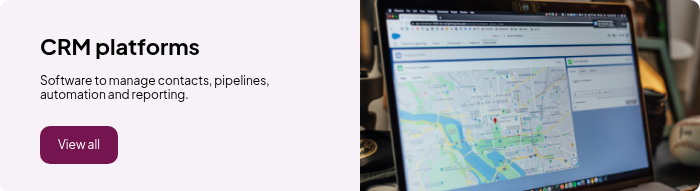
What ties it all together is CRM integration. When your marketing automation platforms sync with your CRM in real-time, your sales team sees email engagement, ad clicks, and form fills directly on the contact record. This smooths handoffs and prevents mailing “welcome” campaigns to existing customers.
Multi-channel campaign management saves you from running siloed efforts. You should be able to orchestrate email, social, SMS, and sometimes ads from one place, utilizing the same segments and shared assets, without logging into five different digital marketing tools.
Highlight advanced capabilities like AI-powered recommendations, real-time reporting, and dynamic content personalization.
State-of-the-art platforms now use AI to recommend subject lines, suggest send times, and even auto-generate visuals, then tailor those assets for each channel: horizontal for video, square for social, vertical for stories. This keeps you from re-creating the same graphic 10 different ways.
Real-time reporting is important when you’re operating high-traffic campaigns or time-sensitive launches. You need to have performance updates within minutes, not days, so you can adjust budgets, swap creative, or refine targeting while the campaign is still breathing.
Dynamic content personalization extends beyond using a first name. Best tools enable you to swap headlines, images and offers based on behavior, location or lifecycle stage. For instance, visitors who visited pricing can be shown a comparison chart, while new visits are served an educational overview, all from the same campaign.
Showcase platform flexibility with customizable dashboards, workflow automation, and scalable architecture.
Customizable dashboards allow each role to focus on what’s important within their digital marketing strategies. A content lead might track engagement by content type, while a performance marketer could care about cost and return. An operations manager might monitor deliverability and system health. Powerful marketing automation platforms enable you to move widgets around, filter them, and save multiple dashboard views.
Workflow automation isn’t just for campaigns; it’s a key feature of digital marketing software tools today. Top tools help you standardize approvals, asset handoffs, and QA. For instance, a new landing page can automatically trigger a checklist: copy review, legal review, design sign-off, and A/B test setup. This keeps quality high without interminable status meetings.
Scalable architecture describes the tool’s ability to manage expansion without crumbling. As you add new markets, languages, and products, you still desire reasonable load times, stable integrations, and clean methods to handle increased data and users.
One of the most important features of top digital marketing platforms is producing branded content without having to call on your designers for every little change. Centralized asset libraries keep logos, templates, and visuals in one place, so your marketing teams across locations pull from the same source and stay on-brand. Some website and content platforms offer customizable themes and massive plugin ecosystems, allowing you to extend features like SEO, forms, and analytics without totally rebuilding your marketing stack.
Compare user experience, ease of setup, and customer support to determine the best fit for your marketing team.
User experience is where many digital marketing platforms silently triumph or fail. The interfaces need to feel simple enough that a newly coined marketer can whip up an email or landing page in their first week. Drag-and-drop builders, inline editing, and reusable templates all decrease reliance on experts, making these digital marketing tools accessible to everyone.
Collaboration is crucial, especially if your digital marketing teams are remote or distributed across regions. Features like real-time commenting, version history, shared folders, and role-based permissions are essential to look for. When everyone can securely collaborate on a single campaign, you eliminate long email threads and lost files, enhancing overall efficiency in your marketing initiatives.
Ease of setup differs significantly. Lighter tools tend to provide free versions with ample features and pro tiers with premium effects or advanced features at a modest monthly price. Enterprise suites usually require more configuration and integration effort, but they can be worth it if you have complex journeys, cross-channel campaign orchestration, and customer journey mapping with real-time segmentation.
Customer support acts as a safety blanket for users. Robust platforms provide concise documentation, onboarding assistance, live chat, and quick support once integrations break or data appears wonky. For a busy team, a quick and accurate answer can mean more than just an extra “advanced” feature, ensuring that all digital marketing strategies run smoothly.
The integration challenge

The integration challenge appears when every piece in your digital marketing stack functions well in isolation, but nothing communicates seamlessly with anything else. Various marketing automation platforms, CRM systems, and analytics tools operate on different data models and schedules. That divide damages productivity, data integrity, and your capacity to pivot strategy rapidly.
You experience it in subtle, mundane ways. Your email marketing tools and ad manager count “conversions” differently. Your CRM has partial attribution, so sales questions your lead quality. Reporting takes days because someone has to export CSV files, clean them, and rebuild dashboards. Fragmented systems break your measurement rhythm: one tool updates hourly, another daily, so performance trends never quite line up. Over time, this leads to irregular attribution and reporting cadence, causing budget decisions to become more guess than analysis.
There’s a subtle toll in human attention as well. Every time your digital marketing team hops between platforms to locate campaign data or edit a list, they lose momentum. On average, they find it takes 23 minutes to recapture focus after tool switching, and productivity losses from context switching and administrative overhead can hit 40%. If your paid media manager hops between five dashboards, a CRM, and a spreadsheet, that’s not ‘working smarter’ - that’s friction baked into your stack design.
On the technical side, integration problems frequently boil down to APIs. Some provide APIs that are richer and well-documented, allowing you to transfer event, audience, and revenue data almost instantly. Others provide limited or rate-limited APIs that control data transfer. You might be able to push simple contact records but not detailed engagement data, preventing you from doing advanced segments or unified attribution. API limitations are among the quickest paths on which a platform that looks powerful in a demo becomes frustrating in production.
A practical means of guarding yourself is to consider integration a purchase criterion, not an afterthought. You want digital marketing software tools that strike the right middle ground between creative and usable and that seamlessly integrate into your ecosystem. In the real world, this translates into a bias towards systems with open APIs, connectors, and proactive technical support. Before you contract, see if your vendor already supports your core CRM, analytics, and ad platforms.
Beyond technology, the integration challenge sits across three dimensions: technical challenges, process standardization, and change management. You may solve the API side but still fail if teams maintain their own manual workarounds or if no one agrees on naming conventions and source-of-truth rules. The integration challenge a staggered rollout typically beats a sudden “big bang.” You begin with one or two high-impact connections, stabilize them, then branch out to more channels. That slower, deliberate pace helps your team adjust workflows and spot issues before they impact a full marketing campaign cycle.
Future of marketing platforms

Future marketing automation platforms are shifting towards less complex, smarter tools that help digital marketers plan, create, and measure their marketing campaigns effectively. Expect a gradual transition to integrated, privacy-secure digital marketing software that utilizes your first-party data for targeting and personalization, moving away from reliance on third-party cookies.
Predict increased adoption of AI marketing tools and automation platforms for smarter, data-driven campaigns
AI will be embedded in almost every serious marketing platform you rely on - not as a flashy add‑on, but as the quiet engine steering what you say, who hears it, and when they see it.
Familiar tasks that used to take hours, such as writing first-draft copy, mining consumer data for insights, resizing creatives, and generating visuals, can already be done in minutes. By 2026, AI will reinvent your connection with audiences, personalization, campaign optimization, and even success itself. The key shift is from using AI as a “content vending machine” to using it as a decision partner: recommending segments, surfacing opportunities, and flagging waste in real time.
The most important platforms will focus on being useful rather than just powerful. You shouldn't need to be a data expert to find out, "Which audience is likely to convert next week?" and get an easy-to-understand answer. Expect user-friendly interfaces that feel like conversations instead of chaotic screens filled with confusing graphs.
Regarding email, it's becoming smarter. AI is set to safeguard brands by examining creative and targeting options for bias, misinformation, or compliance issues, helping maintain a strong reputation on a large scale. Using AI in this manner can give you a competitive edge. Customers are more inclined to support companies that demonstrate integrity and prioritize user privacy, instead of pushing the boundaries of surveillance.
Anticipate greater emphasis on personalization, customer journey mapping, and omnichannel marketing experiences
In 2026, providing a best-in-class customer experience isn't optional. AI-driven personalization and support will be the baseline expectation whether someone is browsing your site, chatting with support, or engaging on social channels.
Future platforms will map the full customer journey across channels - email, social, web, messaging, in‑product - and stitch that into a single, first‑party profile. Rather than wrangling different tools for campaigns, service, and product analytics, you will depend on a single view that depicts how someone truly makes their way from awareness to loyalty.
Personalization will lean less on creepy tracking and more on declared and behavioral data you already own: what people buy, what they click, what they ignore, and what they explicitly tell you about their preferences. Think practical use cases:
- Content blocks on your homepage that adapt to industry, not to demographic estimates.
- Customer support that imports recent purchases and issues automatically so help sounds informed, not generic.
- Lifecycle journeys evolve based on product usage, not just signup age.
The danger is over-orchestration. If every portion of the journey is “personalized” without obvious guardrails, you get inconsistent tone and baffling offers. The platforms that win will provide you with powerful templates, default journeys, and transparent testing tools. This allows you to scale relevance without sacrificing coherence.
Expect ongoing consolidation of marketing technology into comprehensive marketing suites for streamlined operations
Martech has exploded into thousands of tools, and this complexity has become one of your biggest problems. Various digital marketing software platforms for ads, email, social, analytics, and customer data often fail to communicate seamlessly with each other. You’re navigating the future of marketing platforms where you spend more time stitching systems than improving campaigns.
The next few years will push the opposite direction: consolidation into broader suites where campaign planning, activation, and measurement live under one roof. The intersection of martech (owned and earned channels) and adtech (paid media) will be critical to sustainable success. You’ll define audiences once and automatically activate them across ads, email, and on-site experiences without reconstructing segments three times.
These suites will rely on unified first-party data as the source of truth. Instead of flat lists syncing between tools, you will have one core profile store that every channel pulls on. That minimizes data drift and keeps attribution more honest, even if it never gets perfect.
The challenge lies in avoiding vendor lock-in and bloat. Comprehensive suites can become cumbersome, with features your digital marketing team never utilizes. When evalu3ating platforms, you must carefully consider how easily they integrate with a few best-in-class point tools that you truly rely on. A workable future stack is likely to consist of a robust core platform alongside a small number of focused add-ons rather than fifteen disconnected subscriptions.
Highlight the growing importance of advanced analytics, predictive capabilities, and real-time performance tracking in digital marketing platforms
Data will move from rear-view reporting to forward-looking guidance. Advanced analytics and predictive models will be integrated into everyday workflows, not tucked away in separate ‘data products’.
You will see more interfaces where the platform not only shows performance, but answers questions like:
- Which segments are most likely to churn next month?
- Channel, what is driving high-value customers over six months, not cheap clicks today.
- What creative themes are picking up momentum this week across regions?
Real-time performance tracking will facilitate micro-adjustments, such as budget shifts, bid changes, and creative swaps, without requiring you to monitor dashboards all day. Systems will recommend actions, simulate outcomes and, where you permit, auto-implement low-risk optimizations with transparent audit trails.
Below this, transparency and ethical AI use will mean more. The future of marketing platforms will be not just by what AI can do, but how transparently it explains decisions and how accountable it is when predictions fail and how well it safeguards user privacy. You will need to balance speed and automation with explicit guardrails: review steps for sensitive campaigns, explainable models for high-impact decisions, and clear consent practices for data use.
If a platform can’t demonstrate to you why it recommended something or how it manages personal data, it will become increasingly difficult to justify its use, particularly as regulations become stricter and consumer expectations around privacy grow.
Conclusion
Digital marketing platforms now occupy the hub of how you strategize, execute, and analyze campaigns. The tools you select mold your daily process, user experience, and potential for growth without introducing chaos.
You don’t need the 'perfect' platform. You deserve a stack that fits your channels, your team, and your data reality. Defined objectives, achievable budgets, and a list of must-have features typically weigh more than pursuing every new functionality.
This is a long-term strategy to build adaptability over time, but it doesn’t feel like a long-term strategy. With that mindset, your tools become an ally for your marketing strategy, not a handbreak.
Frequently asked questions
What is a digital marketing platform?
A digital marketing platform is a comprehensive software that enables digital marketers to plan, run, and measure their online marketing initiatives under one roof. It integrates email, social, ads, content, and analytics, allowing for streamlined campaigns and effective measurement of results from a single dashboard.
Why should you use a digital marketing platform instead of separate tools?
You save time, eliminate mistakes, and track the entire customer journey at a glance with marketing automation platforms. One platform allows you to manage digital marketing channels side by side, benchmark performance, automate activities, and make quicker, data-driven decisions that enhance your return on investment.
How do you choose the right digital marketing platform for your business?
Start with your objectives, budget, and in-house expertise when selecting digital marketing software tools. Enumerate the channels you currently employ and those you intend to add, evaluating how they stack up on ease of use, support, integrations, data privacy, and pricing. Try it out with a free trial first before you sign up!
What key features should you look for in top digital marketing platforms?
To enhance your digital marketing efforts, seek powerful analytics, automation, and segmentation through reliable marketing automation platforms. You need dependable email marketing tools, social media marketing solutions, and content assistance for effective marketing campaigns.
How important is integration with your existing tools?
Integration is key in the digital marketing world. If your marketing automation platforms don’t sync with your CRM, website, and sales tools, you’ll face data silos and manual work, undermining your digital marketing efficiency.
Are digital marketing platforms suitable for small businesses?
Yes. Most of these marketing automation platforms provide plans for small budgets and small teams. You can begin with the essentials, such as email marketing tools and basic automation, and expand as your digital marketing strategies grow. The right platform helps you compete with bigger brands by working smarter, not harder.
What trends will shape the future of digital marketing platforms?
You’ll encounter increased AI, privacy-first tracking, and real-time customization within digital marketing software. Platforms will double down on first-party data, cookieless measurement, and deeper automation, leading to smarter recommendations and enhanced customer engagement.

9 game-changing AI tools for marketers you need to know about
AI tools for marketers that can transform your strategy and improve your success in today's digital landscape.

How to optimize social media tools for your business in 2026
Essential social media tools for marketing that increase engagement and drive results, tailored for today's digital landscape.
8 must have marketing tools for small business
8 essential marketing tools for small business success, tailored to drive your growth and streamline your efforts.